Recycling

Recycling helps reduce waste, save resources, and protect the environment. Learn how to recycle everyday items and make a positive impact on the planet.
Recycling is one of the easiest ways to help the environment. By recycling items like paper, glass, metal, and plastic, we can reduce the amount of waste sent to landfills and save resources. Recycling also helps reduce pollution and cuts down on the energy used to make new products. This article explains how recycling works, what items can be recycled, and why it’s important for a sustainable future.
Why Recycling Matters
Recycling is a simple action that has a big impact. When we recycle, we keep useful materials from being thrown away and reduce the need for new raw materials. This not only conserves natural resources but also reduces the harmful effects of mining, deforestation, and other processes that damage the planet.
Reducing Waste in Landfills
Landfills are filling up quickly, and the waste that ends up there can take hundreds of years to break down. Recycling helps to keep more items out of landfills, saving space and reducing pollution.
Conserving Natural Resources
When we recycle, we use fewer raw materials. For example, recycling paper saves trees, and recycling metal reduces the need for mining. This protects ecosystems and helps keep resources available for future generations.
Saving Energy
It takes less energy to recycle materials than to produce new ones. For example, recycling aluminum cans uses 95% less energy than making new aluminum from raw materials. This means that recycling helps cut down on energy use and greenhouse gas emissions.
Common Recyclable Materials
Most recycling programs accept a range of everyday items. Knowing what can be recycled helps ensure that useful materials don’t end up in the trash.
Paper and Cardboard
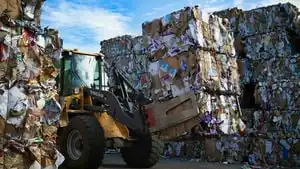
Newspapers, magazines, office paper, and cardboard boxes can all be recycled. Recycling paper reduces the need to cut down trees and saves water and energy in the process.
Glass
Glass can be recycled over and over without losing quality. Glass bottles, jars, and other containers are often accepted in recycling programs and can be turned into new glass products.
Metals
Aluminum and steel cans are some of the most commonly recycled items. These metals can be melted down and reused to make new cans, reducing the need for mining.
Plastics
Many types of plastics can be recycled, though it varies by region. Sorting plastics correctly is important because not all plastics are processed the same way. Recycling plastic helps reduce pollution, especially in oceans.
How to Make Recycling a Habit
Recycling is easy once you know what to do. Here are a few tips to make recycling a regular part of your routine:
Set Up a System
Have separate bins for recyclables like paper, glass, and plastic, so it’s easy to sort your waste at home or work.
Know Your Local Recycling Rules
Each area has its own rules for what can and cannot be recycled. Make sure you’re familiar with what your local recycling program accepts to avoid contamination.
Buy Recycled Products
When possible, choose products made from recycled materials. This supports the recycling industry and reduces the need for new resources.
Recycling can refer to one of the following:
- to use a product for a new purpose without changing the essential form or by altering it minimally. See Upcycling
- to use a product with a new user (ie by giving away a product to someone else, see Reuse and Freeganism)
- to collect and process used materials to make new products.[1]
Reusing
A number of on-line services exist to allow people to give away items they no longer use and permit others to benefit from them. In example:
Making new products
In many cases, waste products are used to create saleable products and generate income. See for example:
- 3Cycle
- Recycling and dengue fever in Sukunan, Indonesia
- The Flip Flop Recyling Project
- Thrashilicious.com
Such collection and remanufacture prevents waste, limits the need to extract new raw materials, reduces energy usage while minimizing air and water pollution from traditional forms of waste disposal. In some situations (ie Flip Flop Recycling Project) they also clean up natural litter. Many kinds of glass, paper, metal, plastic, textiles and electronics are recyclable. While composting of food or garden waste, either in home gardens or through central municipal facilities, is very worthwhile, we do not usually think of composting as falling within the scope of recycling.
Local recycling
Australia:
- Recycling Near You - find recycling information by area and item.
Essex, UK:
- Recycling In Essex - find recycling information in Essex.
See also
- Producer responsibility and recycling solar photovoltaic modules
- Optimal use of IV-fluid bags
- Anaerobic digestion
- Biodegradable waste
- Bioplastic
- Compost
- Green waste
- Recycling
- Sustainable packaging
- Upcycling
- Waste hierarchy
References
External links
- Recycling forums at Permies.com
- Upcycling: new purposes for old things forumat Permies.com
- wikipedia:Landfill mining
- Funny Video Viral on recycling and avoiding unfortunate labels.
- A Recycling Revolution - Recycling doesn't have to be just another household chore. We can use it as an opportunity to connect with our family, raise funds for our churches and schools, and educate our students.
- How to Recycle Anything - A comprehensive list on how to recycle over 200 common household items.
- How To Instill Recycling Culture In Your Business