Are smartphones environmentally friendly?
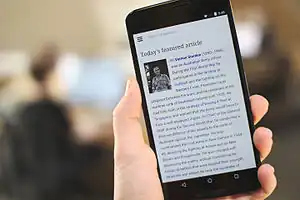
Smartphones are able to tackle a wide variety of tasks that would otherwise be divided into many separate devices, each having its own carbon footprint. As a consequence, smarthphones have largely replaced or reduced the consumption of:[1]
- Communication devices (land line telephones, beepers, walkie-talkies. etc)
- Cameras
- Video recorders
- Laptop and desktop computers
- Radios
- Portable audio players (Walkmans, Discmans, iPods, mp3 players, boomboxes, etc)
- Landline phones and pagers
- Flashlights
- GPS receivers
- Clocks (wristwatches, alarm clocks, stopwatches, etc)
- Calculators (including scientific calculators and graphing calculators)
- Gaming devices (Game Boys, etc)
- Voice recorders
- Paper (agendas, calendars, maps, letters, encyclopedias, newspapers, dictionaries, notebooks, documents, address books, tickets, handbooks, etc)
- Mirrors
- Metronomes and tuners
- DVD players
- Flash drives
- Remote controls
- eBook readers
- Police scanners
- Cards (credit cards, IDs)
- Banking devices (ATM)
- Keys (for cars)
- Gambling devices (slot machines, etc)
- Levels
- Light meters
- Decibel meter
- Data acquisition devices
- Spectral light meters
- Compass
- Tape measure and rulers
- Pedometers
- Speedometers
External links
- Nörmann, N., & Maier-Speredelozzi, V. (2016). Cost and Environmental Impacts in Manufacturing: A Case Study Approach. Procedia Manufacturing, 5, 58–74. https://doi.org/10.1016/j.promfg.2016.08.008
- CE Delft. (2021, December 3). Carbon footprint of unwanted data-use by smartphones. Branch. https://branch.climateaction.tech/issues/issue-3/carbon-footprint-of-unwanted-data-use-by-smartphones/
- Wikipedia:Jevons paradox
- Radiation detection - Check out comments about how to calibrate any phone to do it
Notes and references
- ↑ Maybe the consumption of some of these devices has actually increased since the arrival of smartphones, but surely their consumption would be much higher without smartphones.
This article is issued from Appropedia. The text is licensed under Creative Commons - Attribution - Sharealike. Additional terms may apply for the media files.